Best Time to Visit Tanzania – Weather, Wildlife & Month-by-Month Guide
-
Duration 1 - 10 Days
-
Type Midrange/Luxury
-
Group Size 2+ Pax
-
Languages English
Tour Description
Discover the best time to visit Tanzania through a detailed weather breakdown, wildlife seasons, safari timing, and ideal months for beaches and Kilimanjaro climbs.
The best time to visit Tanzania depends on what travelers want to experience, but the dry season from June to October is considered ideal for safaris thanks to clear skies, thinner vegetation, and abundant wildlife sightings. This period is especially popular for exploring Serengeti, Ngorongoro Crater, and Tarangire, as animals gather around water sources and visibility improves.
For those planning to witness the Great Migration, river-crossing season typically runs from July to September, offering dramatic wildlife encounters. Beach lovers visiting Zanzibar will find the best weather between June and October or December to February, when the island experiences sunny, warm, and calm conditions. Kilimanjaro climbers often choose January to March or June to October for the most stable conditions on the mountain.
While Tanzania is a year-round destination, understanding its two rainy seasons—long rains in March to May and short rains in November—helps travelers plan better. Each season offers something special: fewer crowds, lower prices, lush scenery, and unique wildlife behavior. This makes Tanzania a flexible destination where every time of year has its own rewarding travel experience.
Best Time to Visit Tanzania – Complete Expert Travel Guide for Every Season
Tanzania is a destination that offers spectacular wildlife, diverse landscapes, rich cultures, and world-famous experiences like the Serengeti Great Migration, Mount Kilimanjaro, and the exotic beaches of Zanzibar. Because Tanzania has different climate zones and seasonal wildlife movements, choosing the best time to visit depends on your travel interests — whether you want safari, beaches, trekking, photography, birdwatching, or a peaceful budget-friendly holiday.
This detailed guide explains Tanzania’s weather month-by-month, safari seasons, migration patterns, Kilimanjaro climbing windows, Zanzibar beach conditions, birdwatching seasons, family-friendly months, and the cheapest times to travel. It also helps you understand how the landscape changes through the year so you can plan confidently.
Understanding Tanzania’s Climate
Tanzania has a tropical climate with two major rainy seasons and two dry seasons. These seasonal shifts affect wildlife behaviour, visibility, accessibility of parks, and the overall travel experience.
✔ Long Dry Season (June – October)
This is Tanzania’s most popular period for safaris. Skies are clear, humidity is low, and wildlife concentrates around limited water sources. Grass levels are short, making animal sightings incredibly easy. Temperatures are comfortable during the day and cooler at night, especially in high-altitude parks like Ngorongoro.
✔ Short Rains (November)
A transitional period with light showers, green landscapes, and fewer tourists. The wildlife is still active, and prices begin to drop. The short rains usually occur in the afternoon or evening rather than all day.
✔ Green Season (December – March)
These months bring bright green landscapes, warm weather, and excellent safari opportunities, especially in Southern Serengeti during the Great Migration calving season. Afternoon showers are common but not disruptive. Photography becomes dramatic with vibrant skies and clear light.
✔ Long Rains (April – May)
These are the wettest months, bringing heavy rains in many regions. Some lodges close, roads become muddy, and visibility can be reduced. However, for travellers seeking quiet parks, low prices, and lush scenery, this season can be surprisingly rewarding.
Best Time for Wildlife Safaris in Tanzania
✔ June to October – The Prime Safari Window
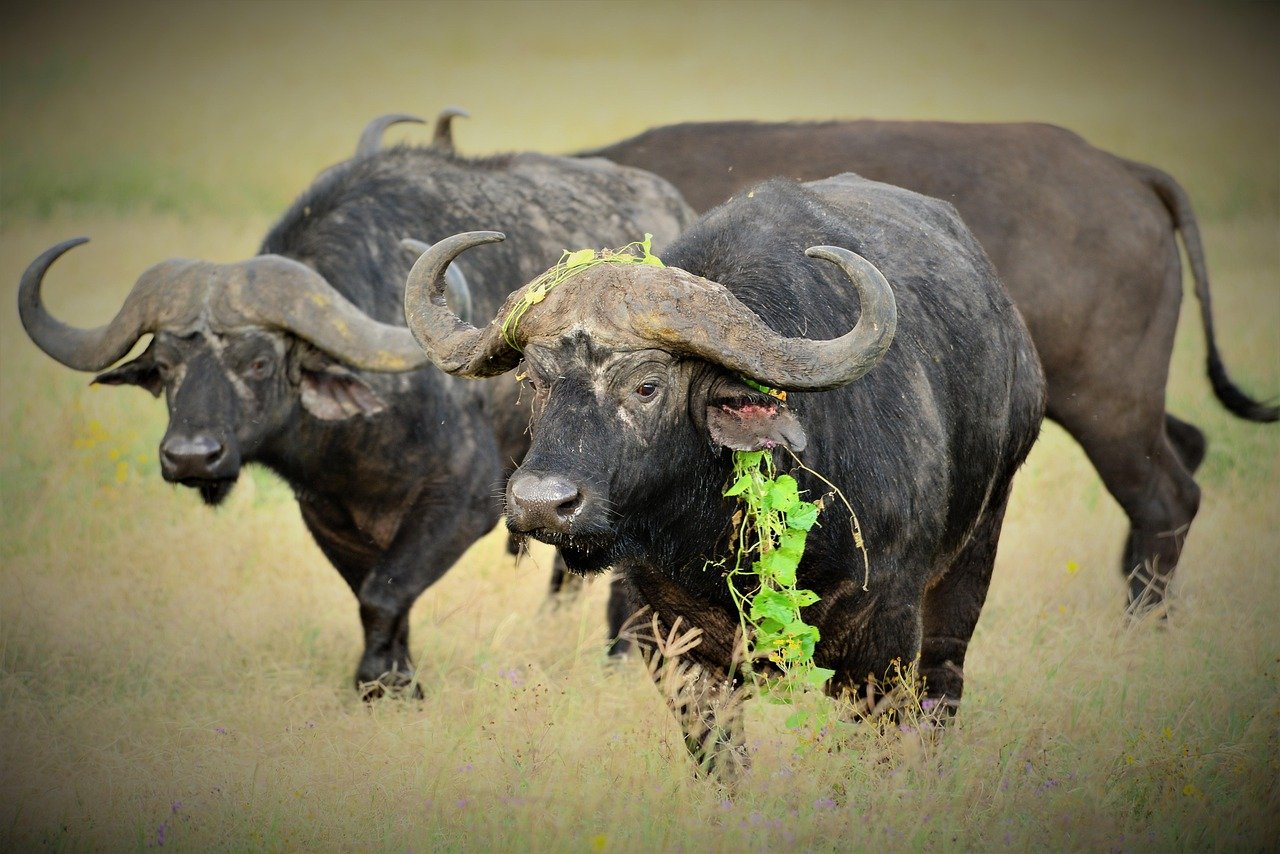
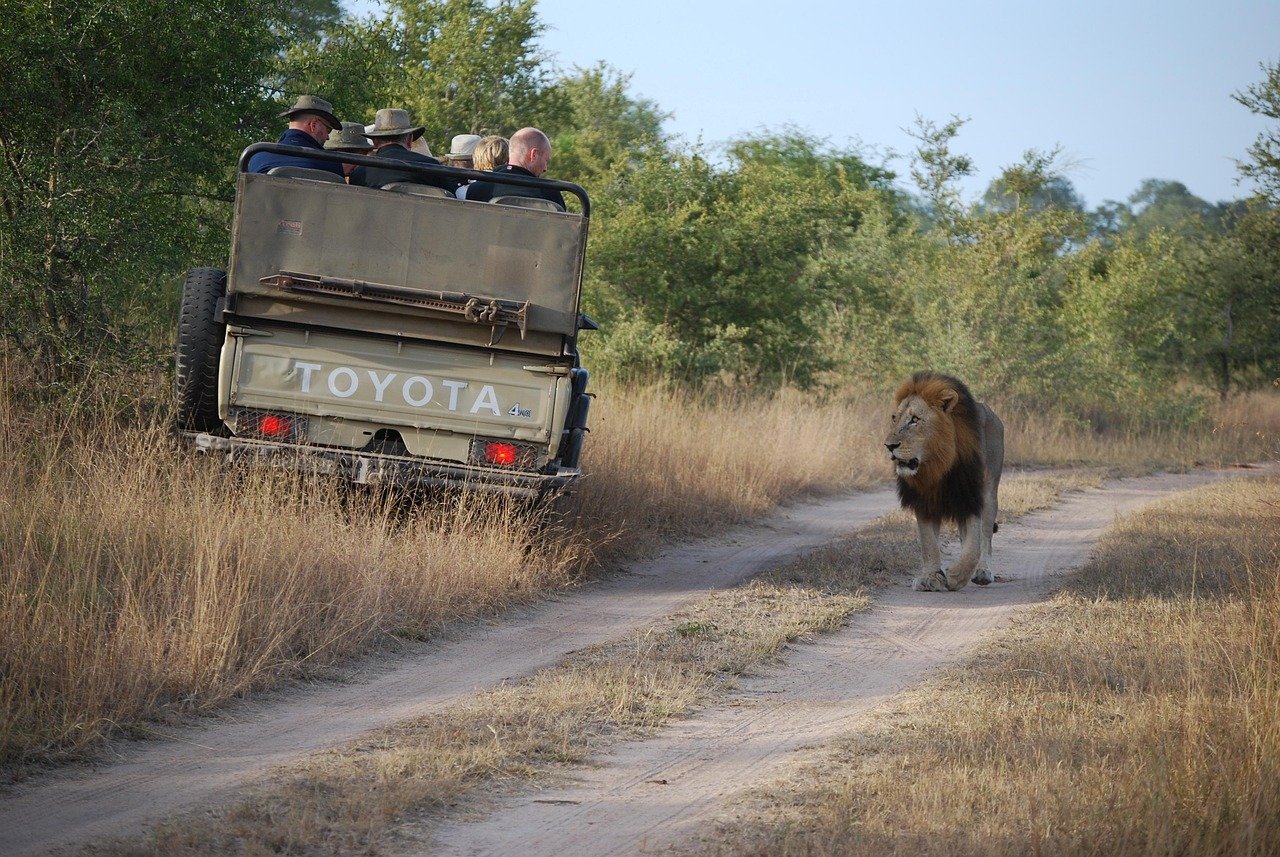
This is the absolute best time for classic safaris in Tanzania. Wildlife gathers around rivers and waterholes, vegetation is sparse, and predators are easy to spot. Lions bask on kopjes, elephants gather in huge herds in Tarangire, and leopards are frequently seen lounging in trees. It’s also when the Great Migration moves through the Northern Serengeti.
✔ December to March – Calving Season in Ndutu
Around 500,000 newborn wildebeest are born in a short window, attracting predators like lions, hyenas, and cheetahs. This season is incredibly dramatic and ideal for photographers and wildlife lovers who want to witness predator-prey interactions. The landscape is lush and green, offering a completely different visual experience.
✔ April & May – Peaceful, Lush, and Budget-Friendly
While rains are heavier, these months provide amazing photographic light, vibrant greenery, and quiet parks. Animals do not disappear — they’re simply more spread out. If you enjoy tranquility and dramatic stormy skies, this season can be magical.
Best Time to See the Great Migration
The Great Migration is the largest land animal movement on earth. Over 1.5 million wildebeests, zebras, and gazelles move year-round in a circular pattern across the Serengeti ecosystem. This timeline helps you choose the perfect months for your trip:
- January – March: Ndutu plains. Calving season with intense predator action.
- April – May: Herds move north through Central Serengeti.
- June – July: Western Corridor. Grumeti River crossings begin.
- July – October: Northern Serengeti. Dramatic Mara River crossings.
- November – December: Herds return south through Central Serengeti.
Because the migration moves continuously, there’s always something happening — you simply choose the region based on your travel date.
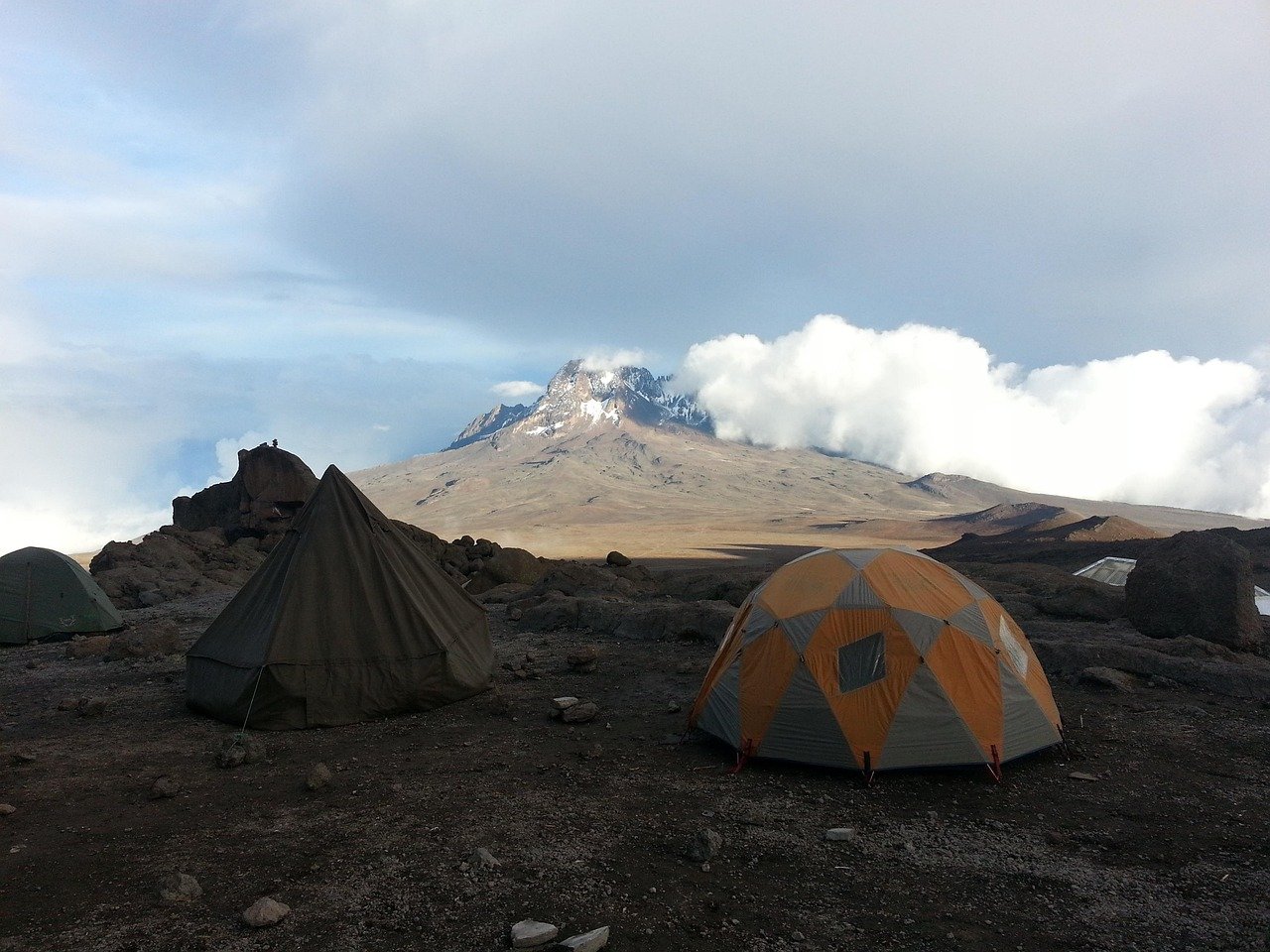
Best Time to Climb Mount Kilimanjaro
✔ Best Climbing Months
- January – February
- June – October
These periods offer the most stable weather, clearer skies, and higher summit success rates. Trails are drier, temperatures are more predictable, and visibility on the summit is excellent.
✔ Shoulder Season (December & March)
These months can also be great for climbers who don’t mind occasional showers and want fewer crowds on the routes.
✔ Months to Avoid
April, May, and November bring significant rainfall. Trails become muddy and slippery, visibility decreases, and summit attempts become more stressful.
Best Time to Visit Zanzibar
✔ Best Beach Weather (June – October)
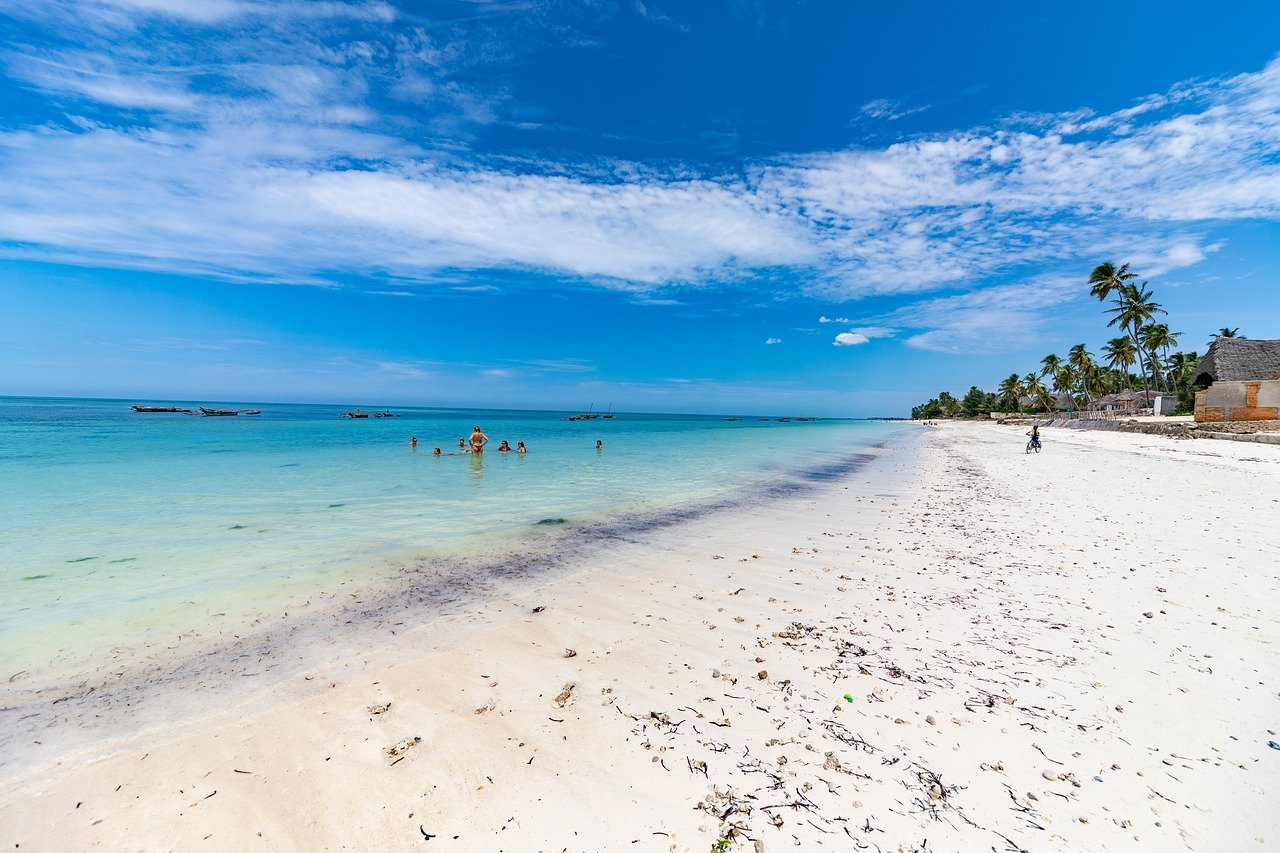
Sunny skies, calm turquoise waters, and cool breezes make this the perfect season for beach relaxation, snorkeling, and diving. Visibility underwater is excellent, and seaweed presence is minimal on most beaches.
✔ Hot & Clear Season (December – February)
This is the warmest period, ideal for swimming, diving, spice tours, and sunset cruises. The ocean is calm and inviting, and Stone Town comes alive with festivals and cultural energy.
✔ Rainy Months (April, May, November)
While Zanzibar remains beautiful year-round, these months bring heavier rain and reduced visibility for diving. Many travelers avoid April and May unless they prefer low prices and quiet beaches.
Best Time for Birdwatching in Tanzania
Tanzania is home to over 1,000 bird species. For bird lovers, the top months are:
- November – April: Migratory birds arrive from Europe and Asia.
- December – February: Breeding season with vivid plumage.
Wetlands in Lake Manyara, Tarangire, and Ruaha become full of activity. Flamingos gather in huge numbers on alkaline lakes, making this a dream season for bird photographers.
Best Time for Family Travel
Families often prefer the long dry season from June to October because the weather is predictable, wildlife viewing is easy, and day temperatures stay comfortable.
December holidays are also very popular for family safaris combined with Zanzibar beach stays, offering a balanced experience of wildlife, culture, and relaxation.
Cheapest Time to Visit Tanzania
Travellers looking to minimize costs should consider:
- March – Start of green season.
- April & May – Lowest lodge rates of the year.
- November – Short rains but excellent value.
During these months, hotels offer discounts, flights may be cheaper, and parks are peaceful. Wildlife is still present, though visibility can be affected by longer vegetation or rain.
Why Visit Tanzania?
- Home to the world-famous Serengeti Great Migration.
- Mount Kilimanjaro — Africa’s tallest mountain.
- Ngorongoro Crater — a natural wildlife sanctuary like nowhere else.
- Zanzibar — pristine beaches, coral reefs, and Swahili culture.
- Year-round safari possibilities with unique seasonal highlights.
- Safe, friendly, and ideal for first-time travellers to Africa.
- Diverse landscapes: savannah, mountains, forests, islands, and lakes.
Frequently Asked Questions
✔ What is the absolute best month to visit Tanzania?
August is often considered the best overall month because the weather is excellent, wildlife viewing is outstanding, and the Great Migration river crossings are active in the Northern Serengeti.
✔ What is the cheapest month to travel to Tanzania?
April and May are the most affordable months, followed by November.
✔ When is the Great Migration?
It happens year-round, but the famous Mara River crossings occur from July to October.
✔ When is the best time to climb Kilimanjaro?
January–February and June–October are the most stable periods.
✔ What is the best time for Zanzibar beaches?
June–October for cool, clear weather, and December–February for warm, sunny conditions.
✔ Is Tanzania good in December?
Yes — it’s a lively, green, festive month perfect for safari and beach combinations.
✔ Is it possible to do a safari in April?
Yes. Animals are still present, landscapes are stunning, and prices drop significantly, although road conditions may vary.
✔ Can I see animals year-round?
Absolutely. Tanzania’s wildlife is permanent. Only the landscape and viewing conditions change through the seasons.
Tour Inclusions / Exclusions
- Airport pick-up and drop-off
- Professional English-speaking guide
- All park fees, entrance fees & permits
- Accommodation in hotels, lodges, or tents (based on package)
- All meals as specified in itinerary
- All transport in 4x4 safari vehicle / minibus / coach
- Bottled water during safaris and trekking
- Cultural visits & village tours (if included in itinerary)
- Zanzibar Spice Tour or Beach activity (if included)
- Trekking equipment & support crew (for Kilimanjaro trips)
- International flights to/from Tanzania
- Visa fees and travel insurance
- Personal expenses, tips, and gratuities
- Beverages and drinks not included in meals
- Optional activities and excursions not listed in itinerary
- Laundry services
- Tips for the crew (Highly Recommended)
- Personal trekking gear (unless specified)
- Vaccinations and medical expenses